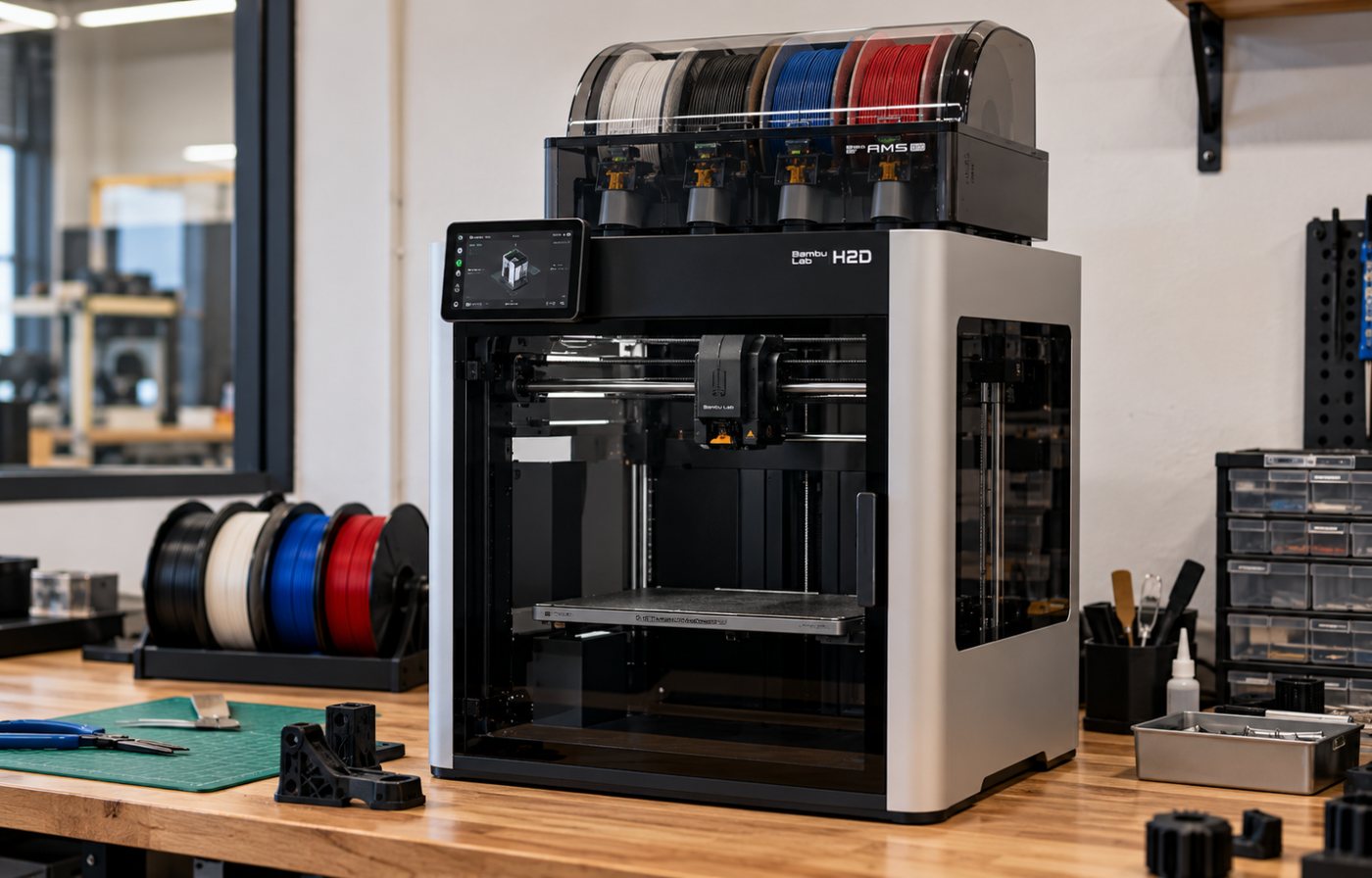
Bambu Lab H2D
3D printing
Design brackets, spacers, and test parts.
A community robotics team in Vancouver, BC. Students learn to design, build, and program together. Beginners are welcome.
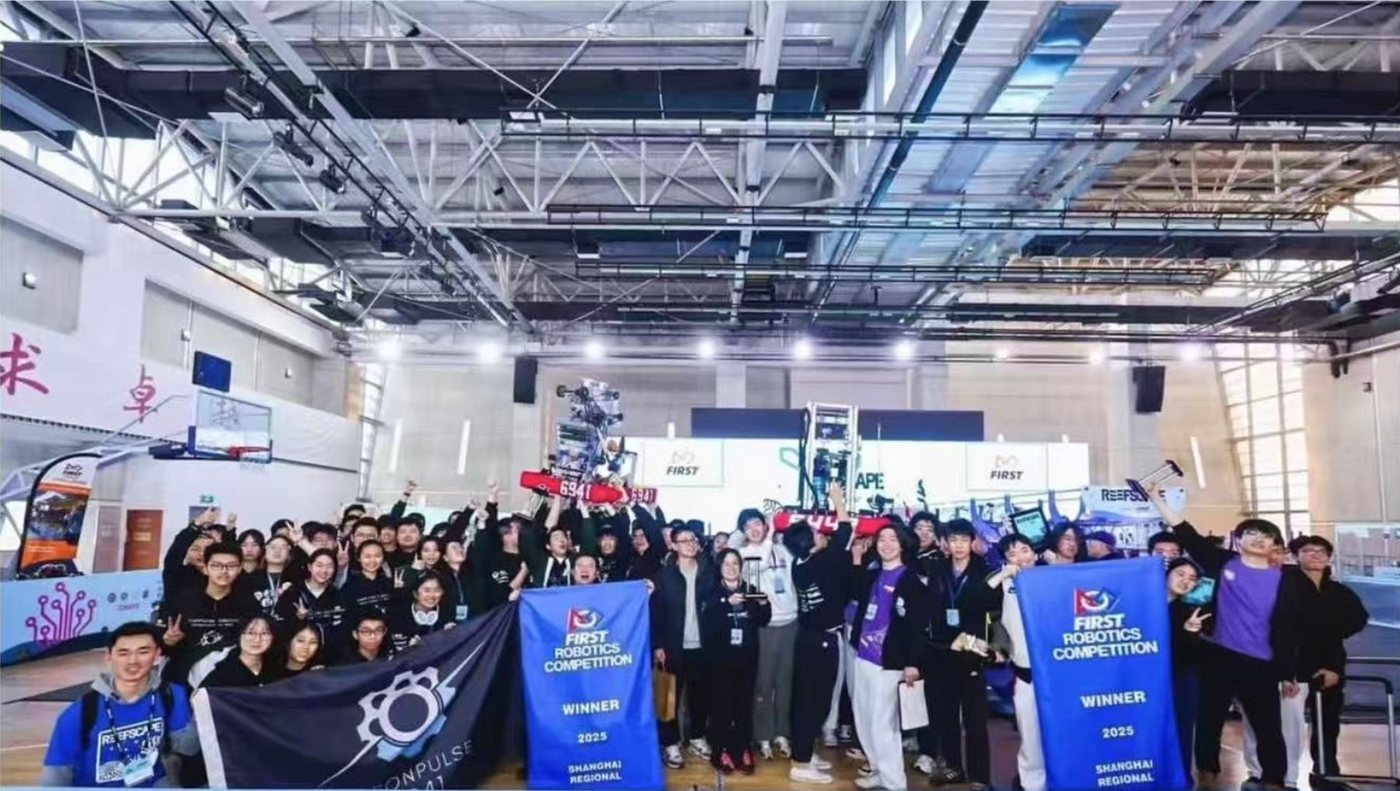
A team sport powered by engineering. Students build a real robot, then work with alliance partners on a shared challenge.
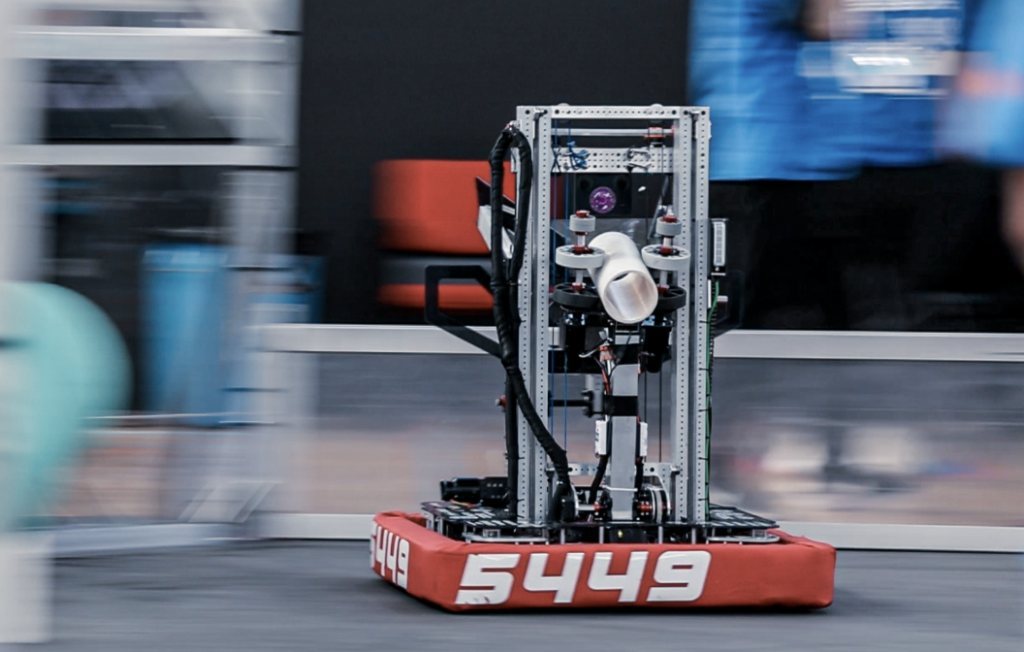
Study the game and decide what the robot should do.
Connect mechanical design, electronics, and code in one working machine.
Three robots form an alliance. Communication and cooperation matter.
Brandeis University followed FIRST participants and a matched group of similar students for more than eight years.
FRC was created by inventor Dean Kamen with Woodie Flowers, a professor of mechanical engineering at MIT. Joining a team does not guarantee admission anywhere. It gives a student real work and a real story to tell.
These figures describe FIRST participants as a whole, not 11302 Prototype. Sources: FIRST impact data; Brandeis University, FIRST Longitudinal Study, 96-month findings; FIRST at a glance; MIT News, June 2026; MIT Open Learning.
11302 Prototype is backed by foundations, community organizations, and FIRST itself.
The FIRST program is funded worldwide by its Strategic Partners, including some of the best-known names in technology, aerospace, and engineering.
The organizations in this second list support the FIRST program worldwide. They are not sponsors of 11302 Prototype unless they also appear in our own list above. Source: FIRST Strategic Partners, as listed by FIRST.
Every role connects to a real result: a part that fits, code that works, a clear plan, or an activity that helps someone else.
Turn a design into a working part. Measure, test, find the problem, and improve it.
Use sensors and software to control a robot. Learn to explain why something works.
Share responsibility, explain decisions, teach a teammate, and finish a shared task.
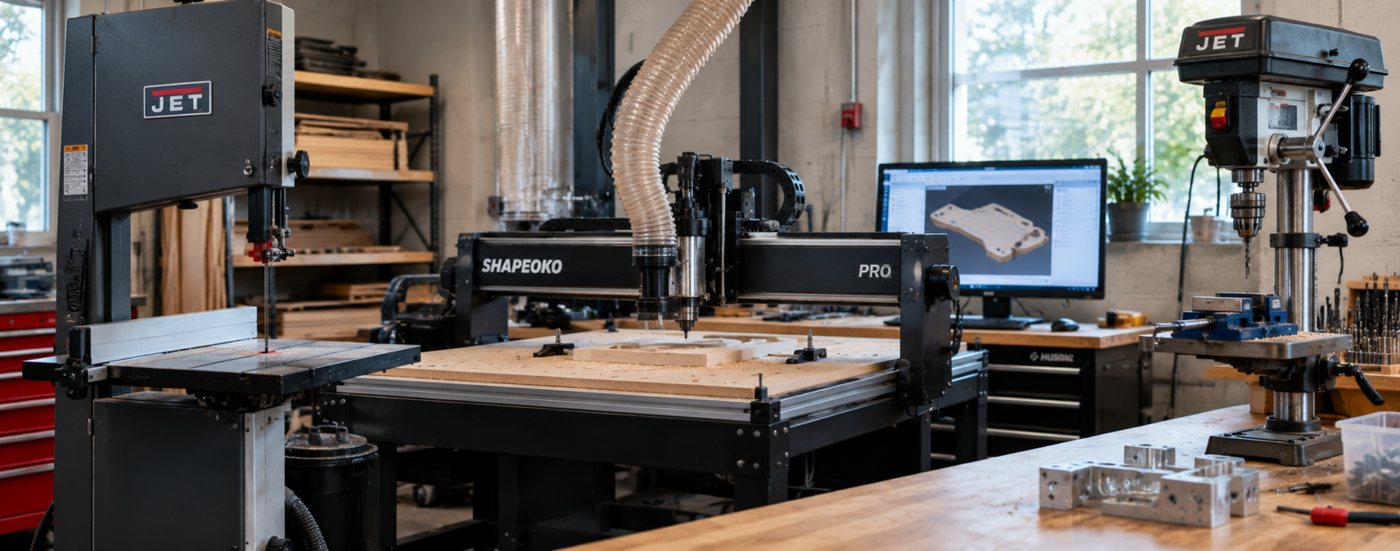
At MechSpace, students connect a design on screen to a part they can hold. Each machine has a purpose, and each skill begins with instruction and supervised practice.
Design brackets, spacers, and test parts.
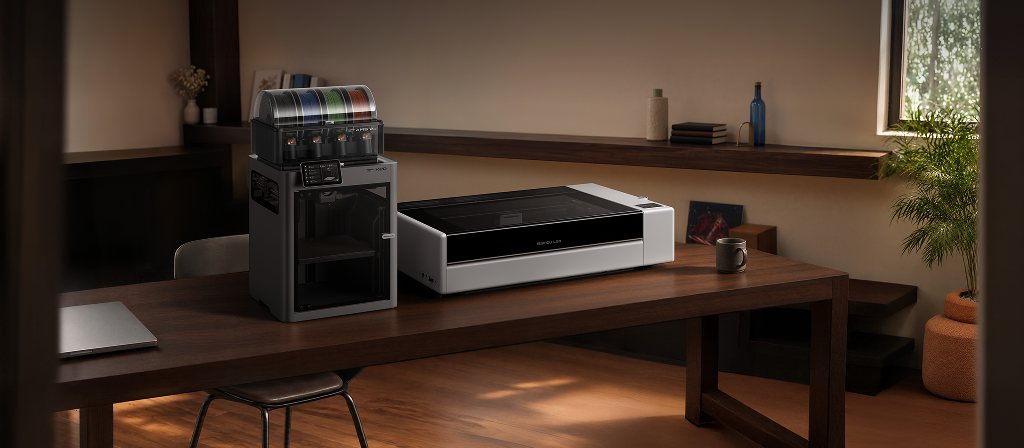
Prepare 2D designs and cut approved sheet materials.
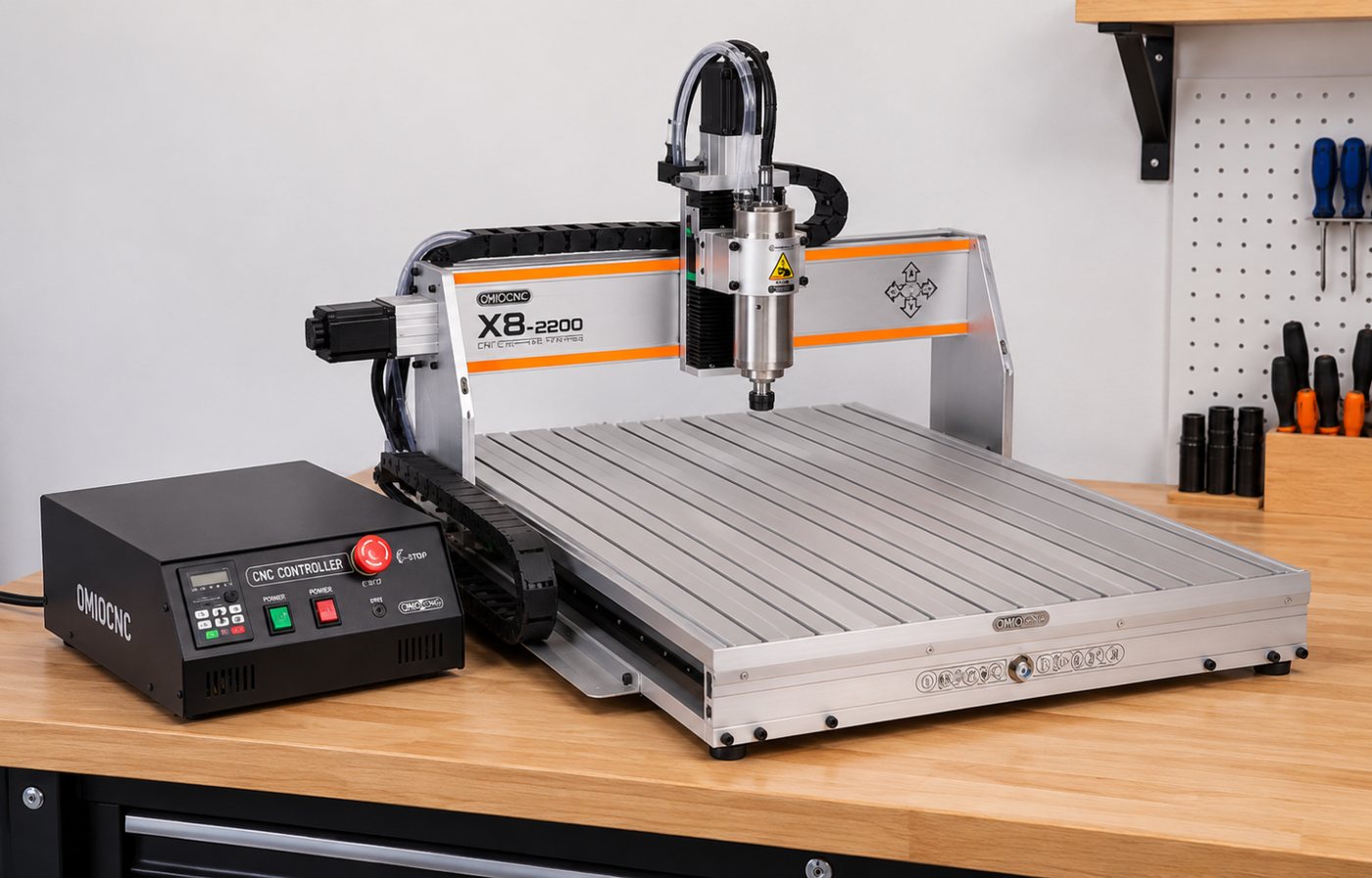
See how digital geometry guides a cutting tool.
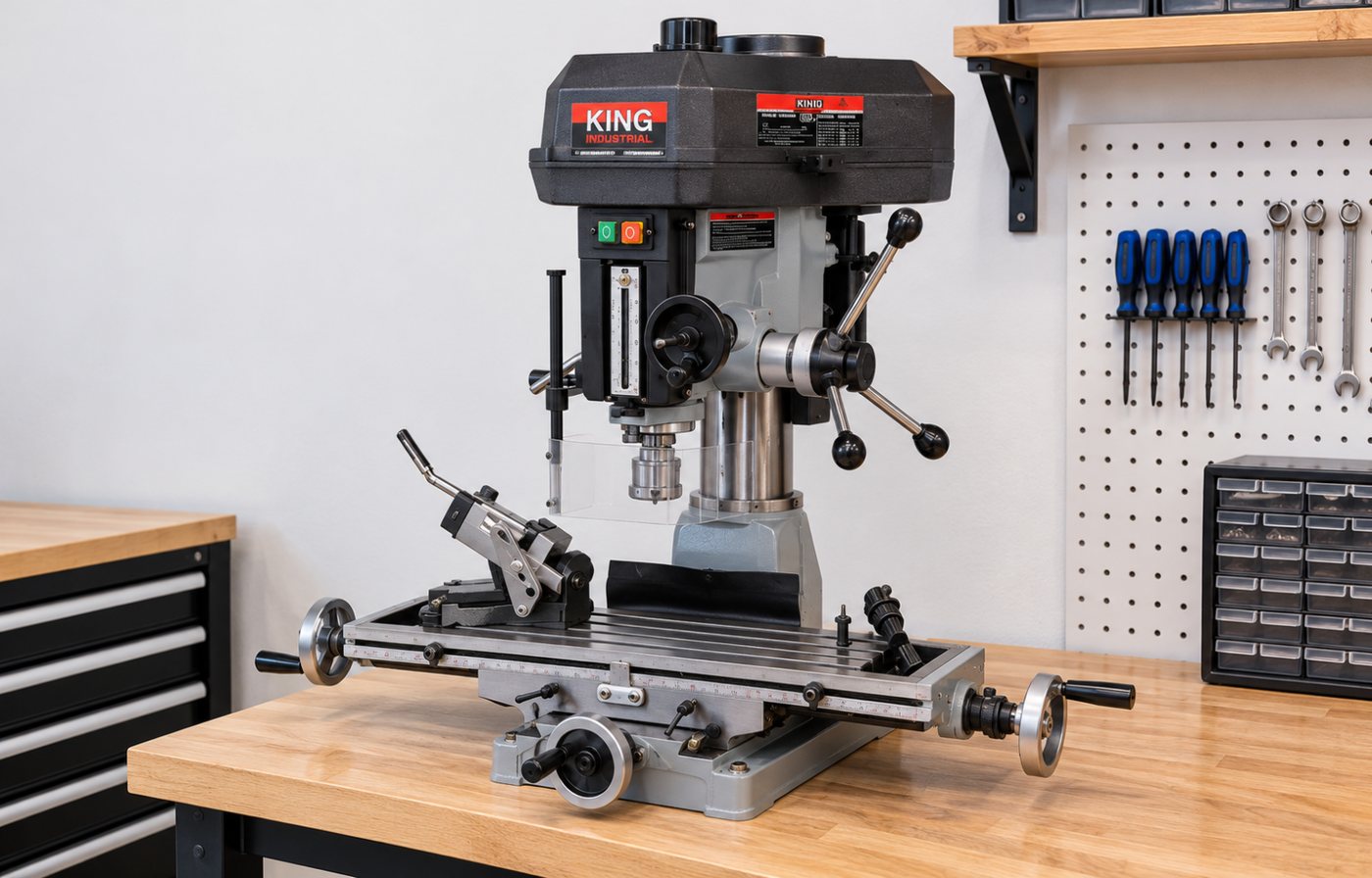
Practise accurate measurement and understand how careful setup produces parts that fit.
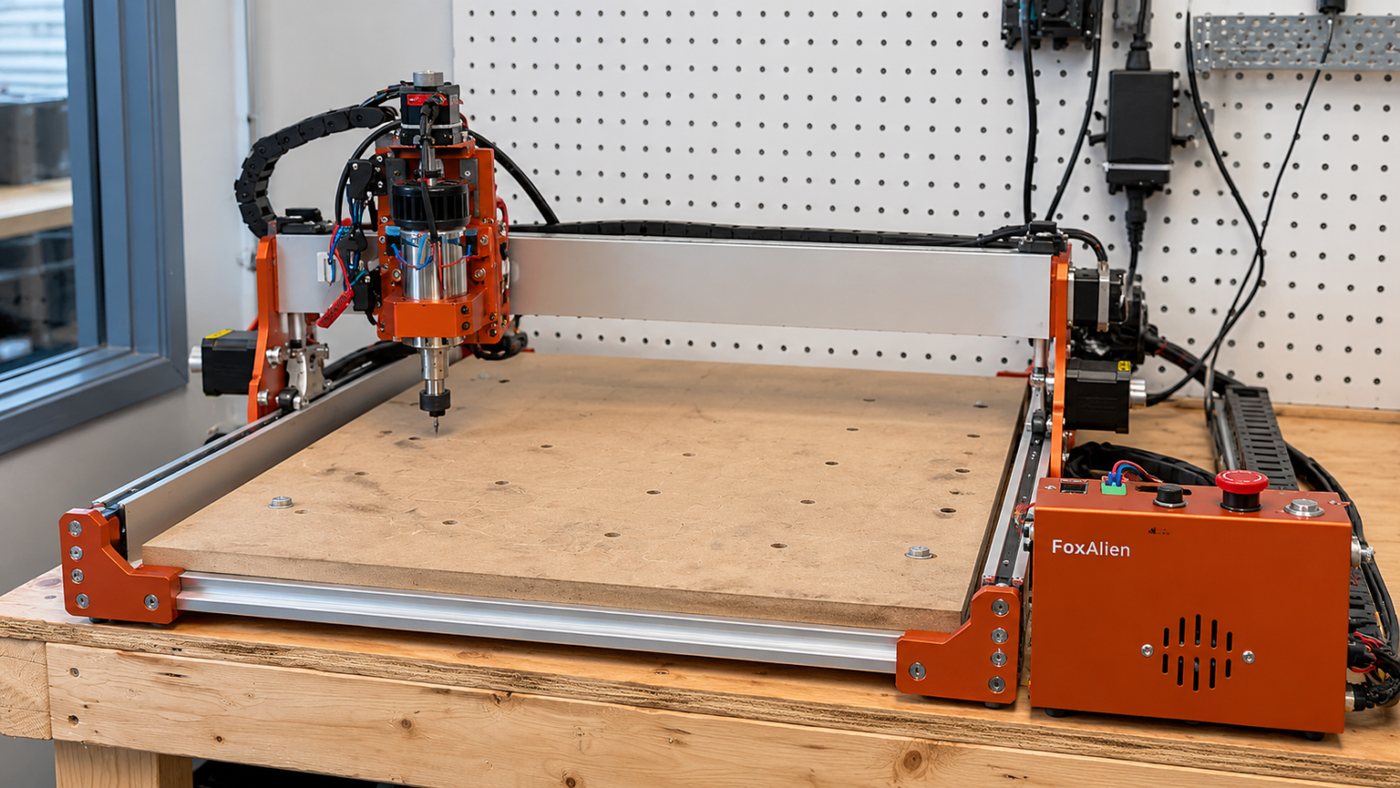
Explore smaller parts and prototypes, inspect the result, and improve the design.
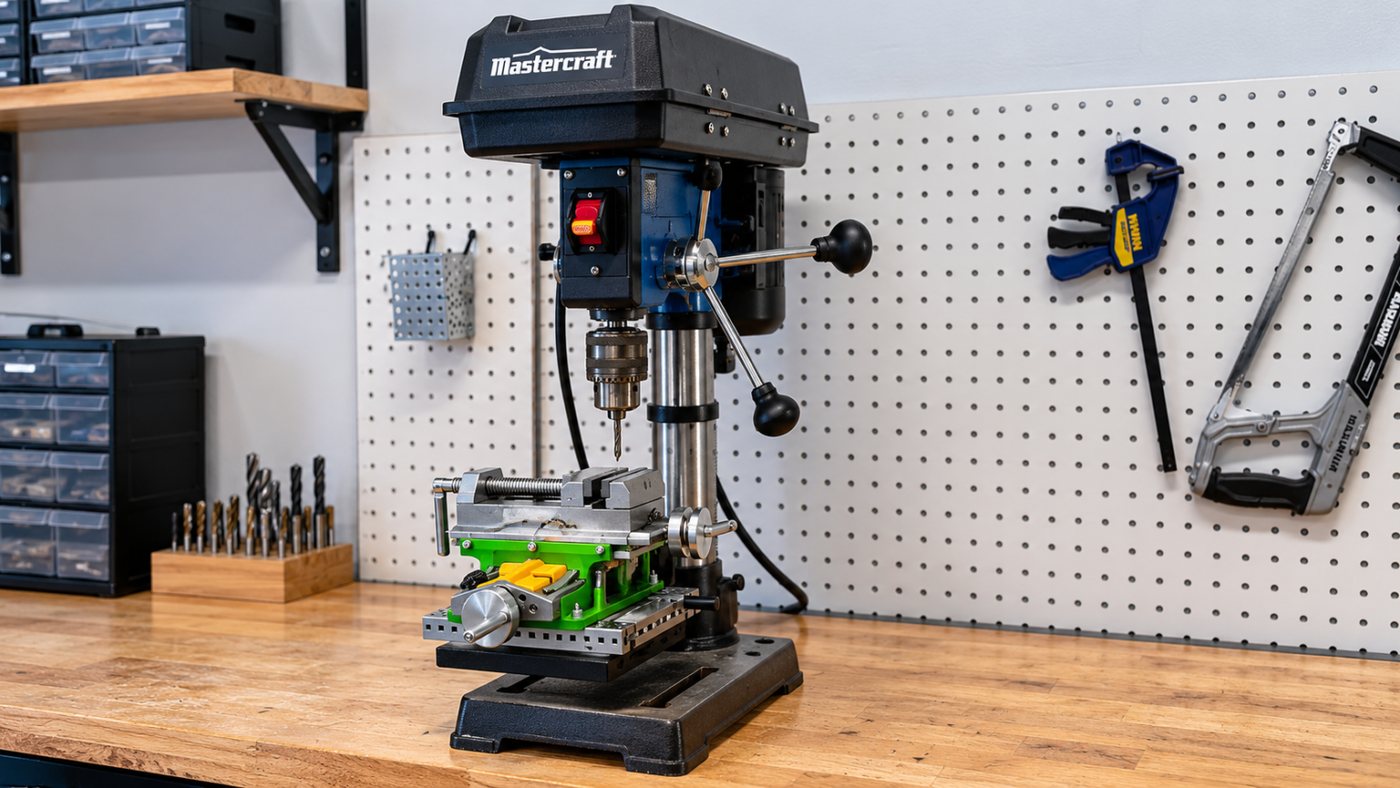
Learn marking out, workholding, drilling, and checking alignment before assembly.
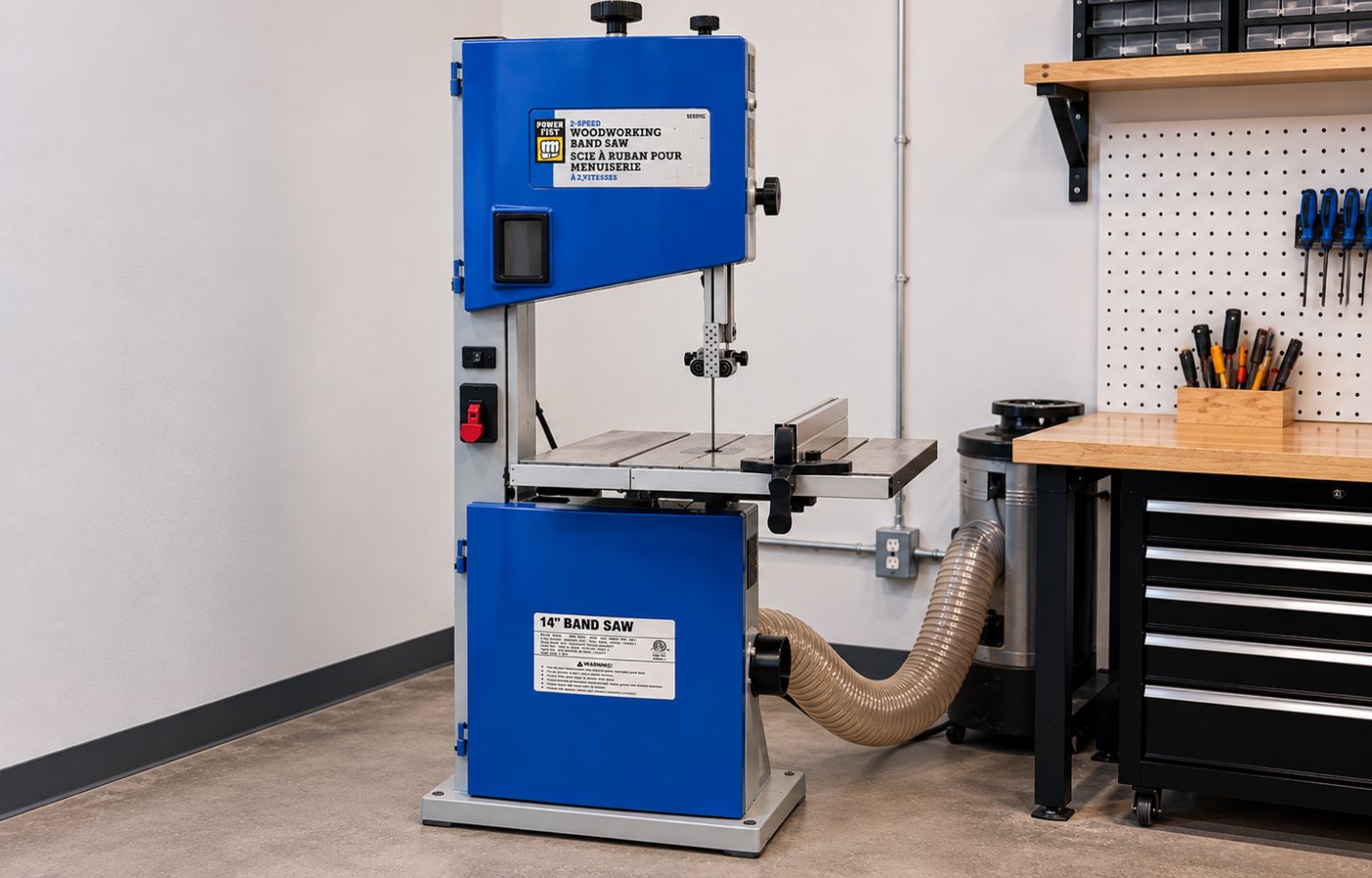
Learn how stock becomes a usable part through cutting, finishing, and careful inspection.
Equipment photography: MechSpace. Machine use follows equipment-specific training and supervision. Bambu Lab R1: official product image from Bambu Lab.
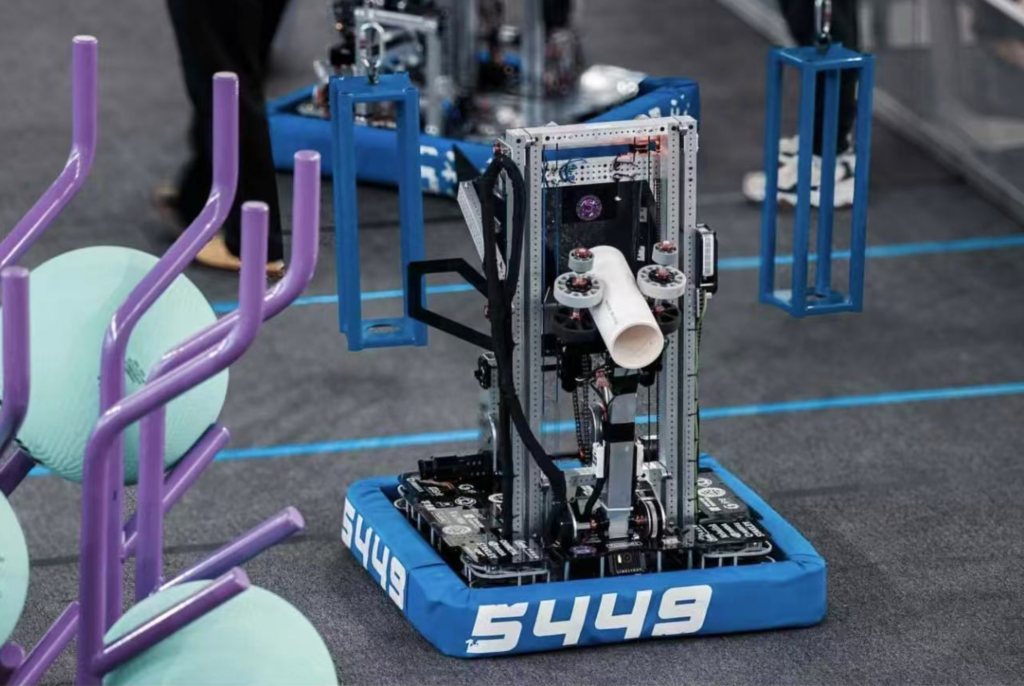
A robot brings many student contributions together: its frame, mechanisms, wiring, software, and match strategy.
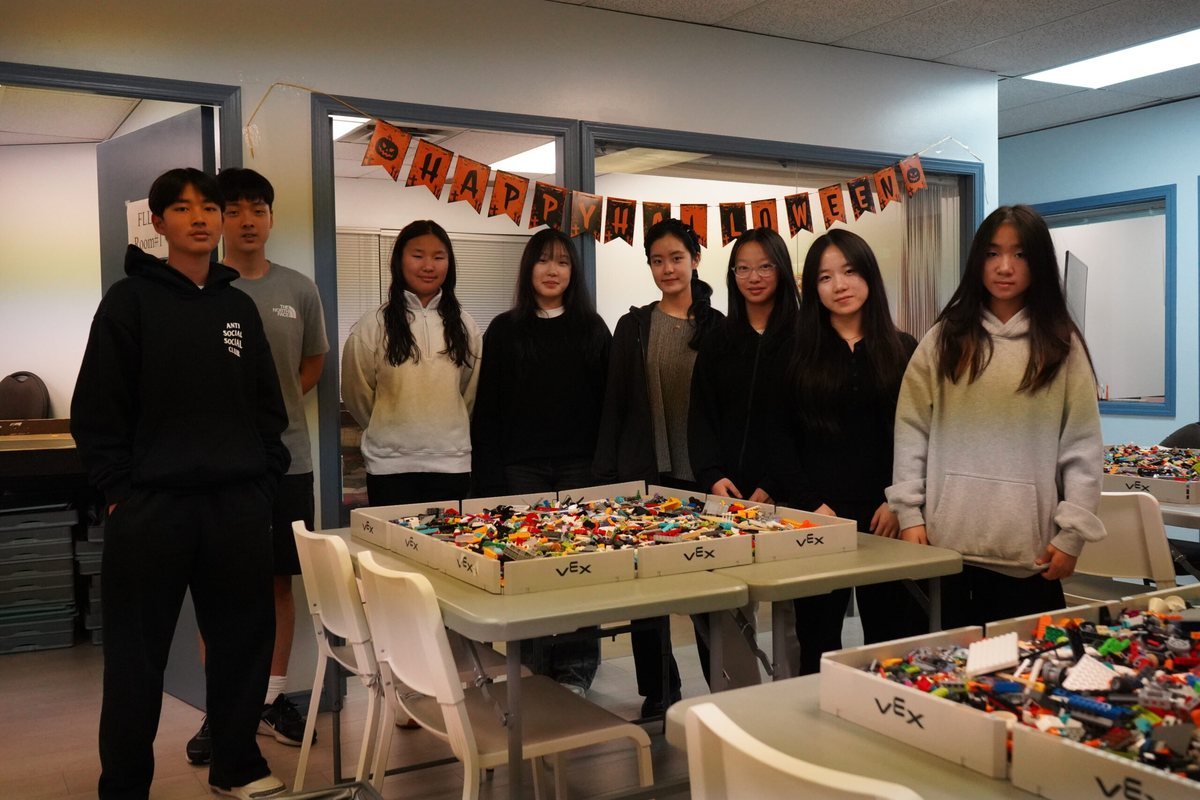
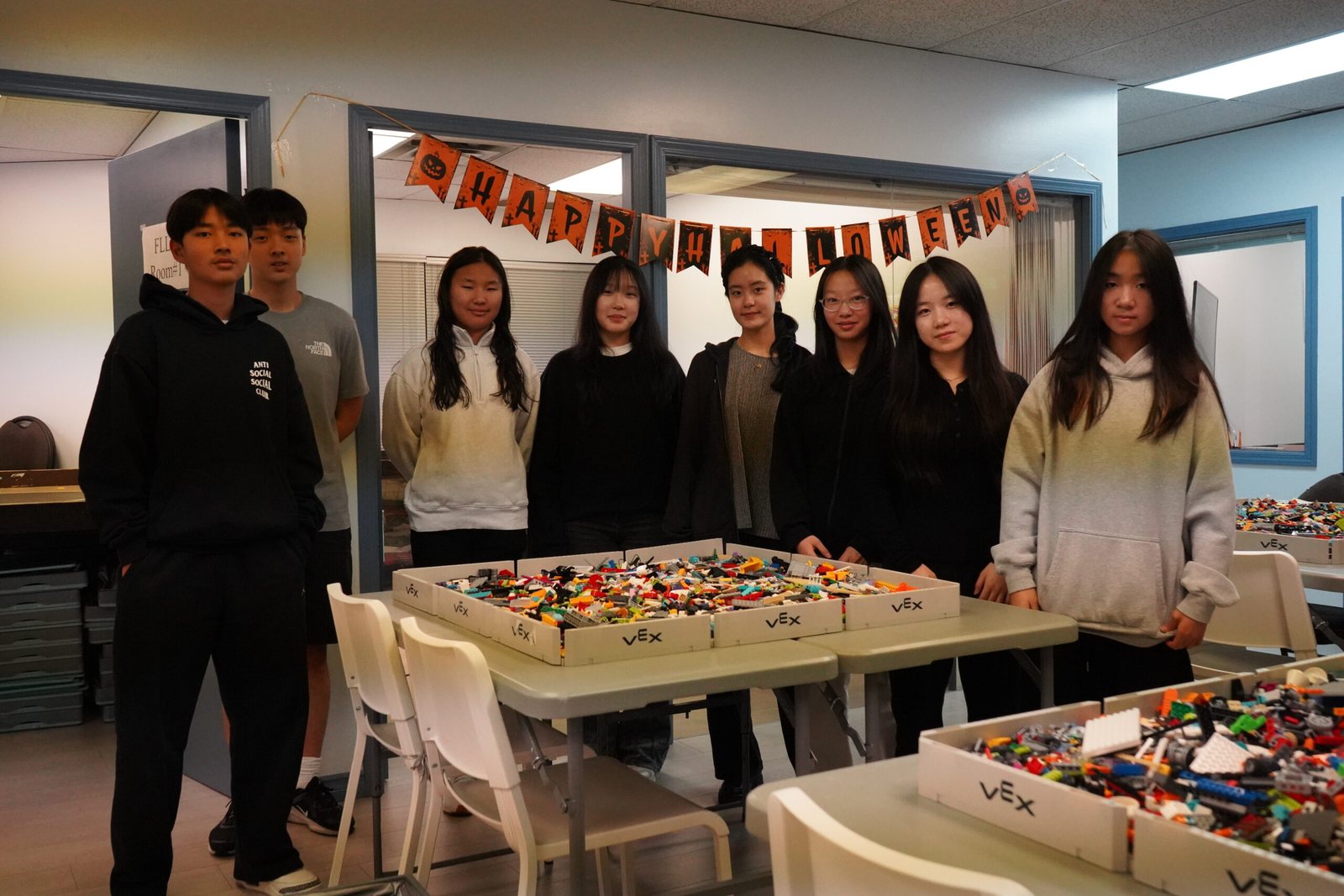
In our first year, students ran a LEGO collection and reuse project with Richmond Public Library, and took it to the City of Vancouver.
Our mentors bring world-championship qualification coaching experience, mechanical and mechatronics engineering, CAD, electronics, and product management to the team.
Visit the workshop, meet the students and mentors, and ask anything.
Students from different schools across Greater Vancouver come together to build a robot, and to grow into people who are ready for a future shaped by AI.
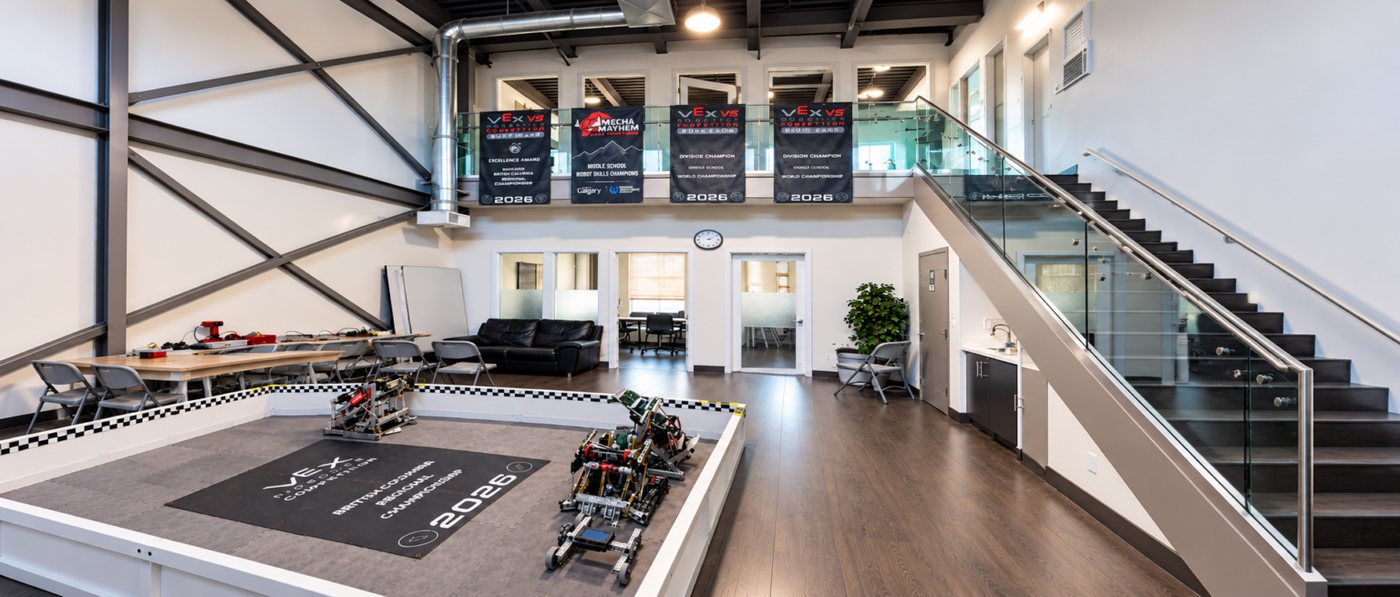
Some students arrive already knowing how to code. Others have never held a wrench. Everyone starts with the same safety training and takes on more as their confidence grows.
Students plan, build, program, and compete. Mentors teach, ask questions, and keep everyone safe, but the robot belongs to the students.
Every part of running a robotics team has a student who owns it. Leads plan the work, teach newer members, and answer for the result.
Sees the whole team, keeps the schedule moving, and speaks for the team. The captain does not take on a technical lead role, so they can stay fair and focused on the whole picture.
Designs the robot in CAD, makes the parts, and puts it together. Makes sure every subsystem fits with the rest.
Wires the robot and writes the code that drives it, from teleop to autonomous. Code and files are shared so more than one student can maintain them.
Studies the game rules, scouts other teams, and trains the drivers and pit crew who represent the team on competition day.
Plans the budget, writes to sponsors, runs outreach, and documents the team's work for judges and community partners.
Keeps tools and parts organized and makes sure students are safe. The safety captain records any incident, however small.
Roles scale with team size. On a small team one student may cover two areas, but every area has one named student and one named adult responsible for it.
Mentors are teachers and safety supervisors. They help students get better at the work, and they do not do the work for them.
Nobody is expected to know it all on day one. The first month is about safety, trying things, and finding where you fit.
Before a student operates a robot system at a competition, they show a mentor they can do the job independently.
See the Skills page for what each role teaches.
Tools will keep changing. What lasts is the ability to figure things out, judge what is true, work with other people, and lead. A robotics season gives students real problems to practise on, with real consequences when something does not work.
The robot fails, and students trace why, test a fix, and try again. They learn that a problem can be taken apart.
Students weigh design options, check data before trusting it, and learn to use AI tools with good judgment rather than copying an answer.
With limited time, parts, and budget, students invent their own solutions and build prototypes to find out what works.
Engineers, programmers, and strategists have to understand each other. Students explain their work to teammates, judges, and sponsors.
Students own a real part of the robot. Others depend on them, so they learn to keep commitments and speak up early.
Nobody teaches every skill. Students learn to find resources, practise on their own, and ask better questions.
Leadership is practised here, not just talked about. Each student takes on more as they show they are ready, and the most experienced students teach the ones who come after them.
We judge a season by who the students become, not only by how the robot performs: confident problem solvers who can lead others and keep learning.
AI is changing how people design and work. The habits that last are asking good questions, solving real problems, working with others, and taking responsibility.
The team is supported by RoboPlanet Education and Community Society, CARAT, mentors, families, and community partners.
Meet the coaches and instructors who teach, coach, and supervise. They are here to support the students, not to do the work for them.
Head Coach
Head coach of multiple robotics teams that qualified for world championships.
Coaches student development, team organization, and competition preparation.
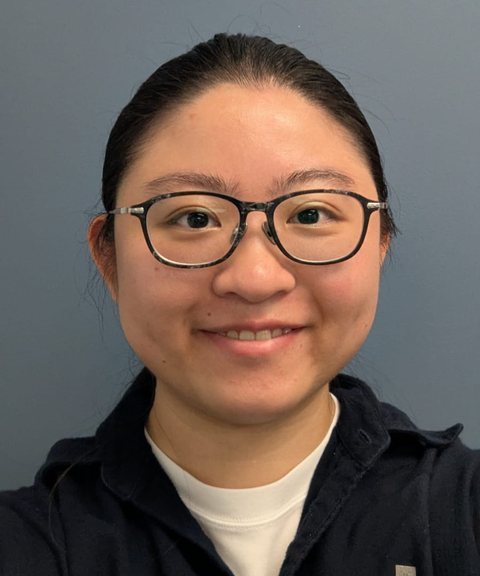
CAD & Robotics Instructor
Mechanical Engineering, UBC. Three-time FLL Hong Kong champion.
Teaches 3D design, mechanical CAD, and robot building.

Robotics & Engineering Instructor
Mechatronics Systems Engineering, SFU.
Teaches CAD, electronics, and 3D printing.
Business & Project Mentor
Experience in product management at Unity, business systems at UBC Extended Learning, and consulting.
Supports planning, communication, and coordination across the team.
FRC is a real engineering project run by students. Along the way they build technical skills, leadership, and the habits that matter in a world shaped by AI.
Every student starts with a shared foundation, then picks a main area and can explore a second.
Workshop safety, the engineering design process, how a robot's systems fit together, and keeping clear records.
Build real parts with hand tools, 3D printers, laser cutters, and CNC machines.
Design parts and assemblies in Onshape, and check them before they are made.
Wire power, motors, and sensors, and track down faults.
Write robot code in Java with WPILib, and manage it with Git and GitHub.
Break down the game, collect match data, and turn it into decisions.
Drive in matches, and repair the robot fast between them.
Manage a real budget, work with sponsors, tell the team's story, and run outreach.
Students keep examples of their own work: a design, code, a test result, or an activity they helped organize. Finishing a course is not enough. A mentor signs off on practical work before a student takes on a role in competition.
A real engineering project, run by students.
Students design, build, wire, and program a robot that has to work in competition, not just on paper.
Each student keeps evidence of what they made, which makes a real story for school and work applications.
FIRST alumni are more likely to study engineering and computer science. See the figures on our home page.
Two alliances share the field. Each alliance has three teams, each with a robot and student drivers.
Three teams working together
Three teams working together
Autonomous: the robot follows students’ code and sensor readings.
Driver control: students operate the robot and make decisions with their alliance.
New students try different activities before choosing. You can contribute through building, coding, writing, photography, strategy, or organization.
FIRST prepares young people for the world of tomorrow. Our team brings that spirit to the people around us: families, libraries, and the next generation of builders.
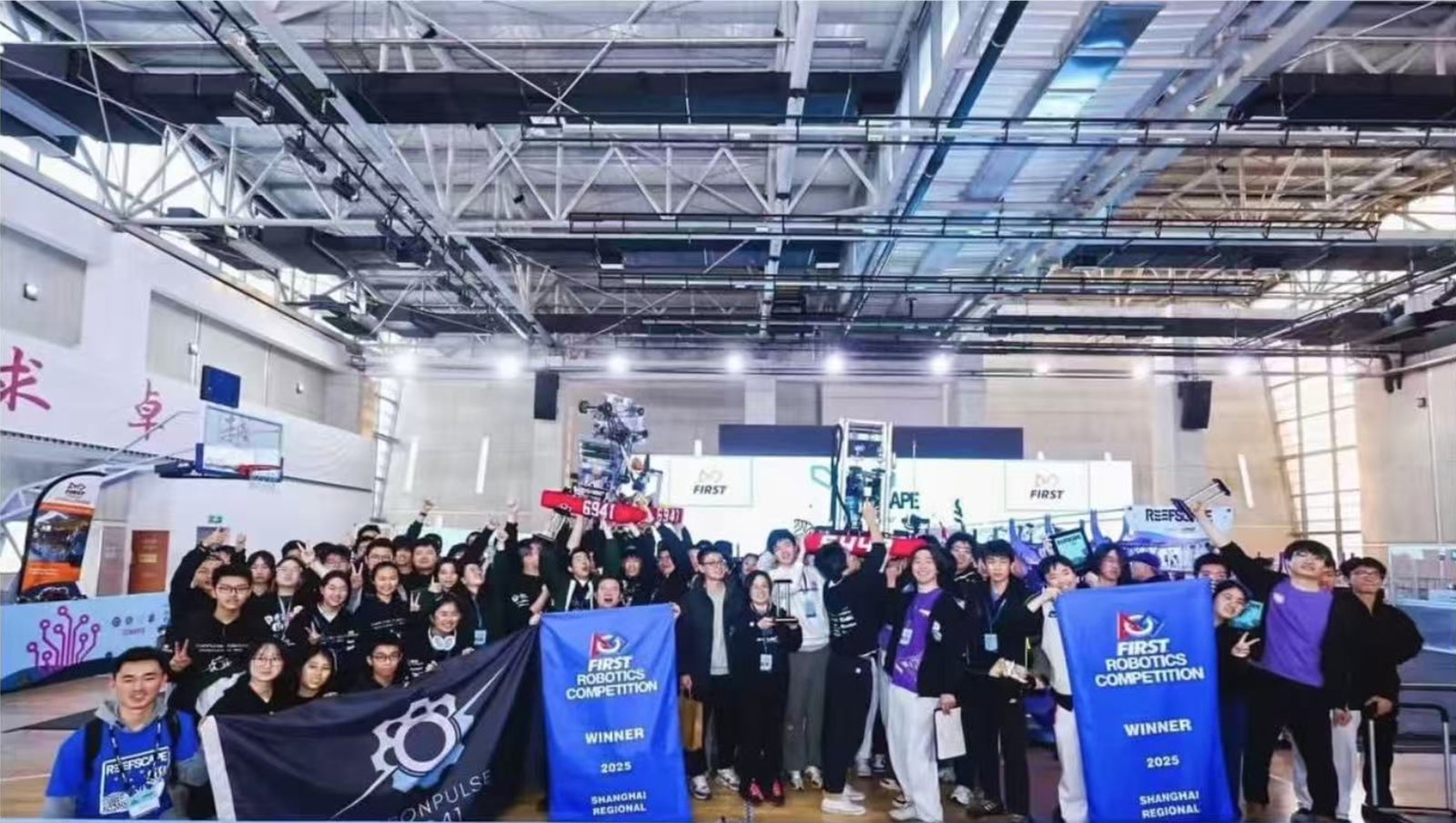
FIRST is a global robotics community with programs for every age, so a student can start young and keep growing with it.
Younger students build and program LEGO robots and solve a challenge as a team.
Middle and high school teams design, build, and program a robot to compete.
High-school teams build a full-size competition robot and play in alliances. This is the program 11302 Prototype competes in.
Program details from FIRST. Local programs and age groups can vary by region.
FIRST exists to prepare young people for the world of tomorrow. Two ideas shape how teams treat each other, and six core values shape what they do.
Do high-quality work, value everyone's contribution, and show respect for people and the community, even while competing hard.
CoopertitionTeams help one another while still competing: learning from teammates, teaching others, and working with mentors.
We explore new skills and ideas.
We use creativity and persistence to solve problems.
We apply what we learn to improve our world.
We respect each other and embrace our differences.
We are stronger when we work together.
We enjoy and celebrate what we do.
Source: FIRST core values and philosophy.
In our rookie season, students organized a LEGO collection and reuse project with Richmond Public Library. Families donated LEGO they no longer used. Students sorted and cleaned it so other children could build with it.
Next, we are looking at extending the same idea to usable robotics kits and parts.
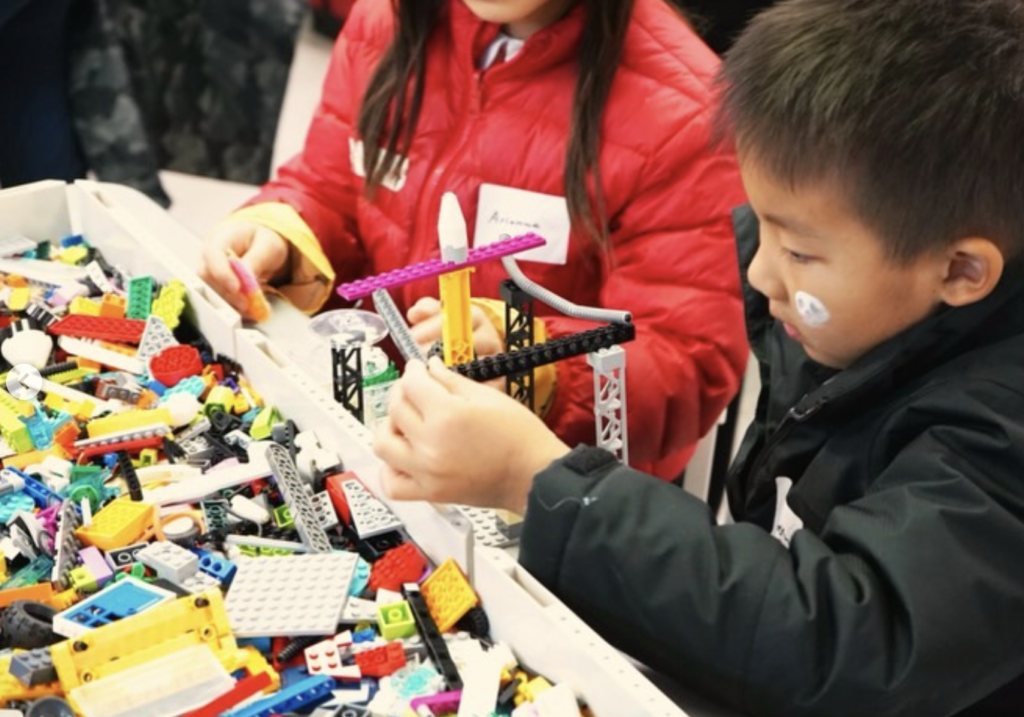
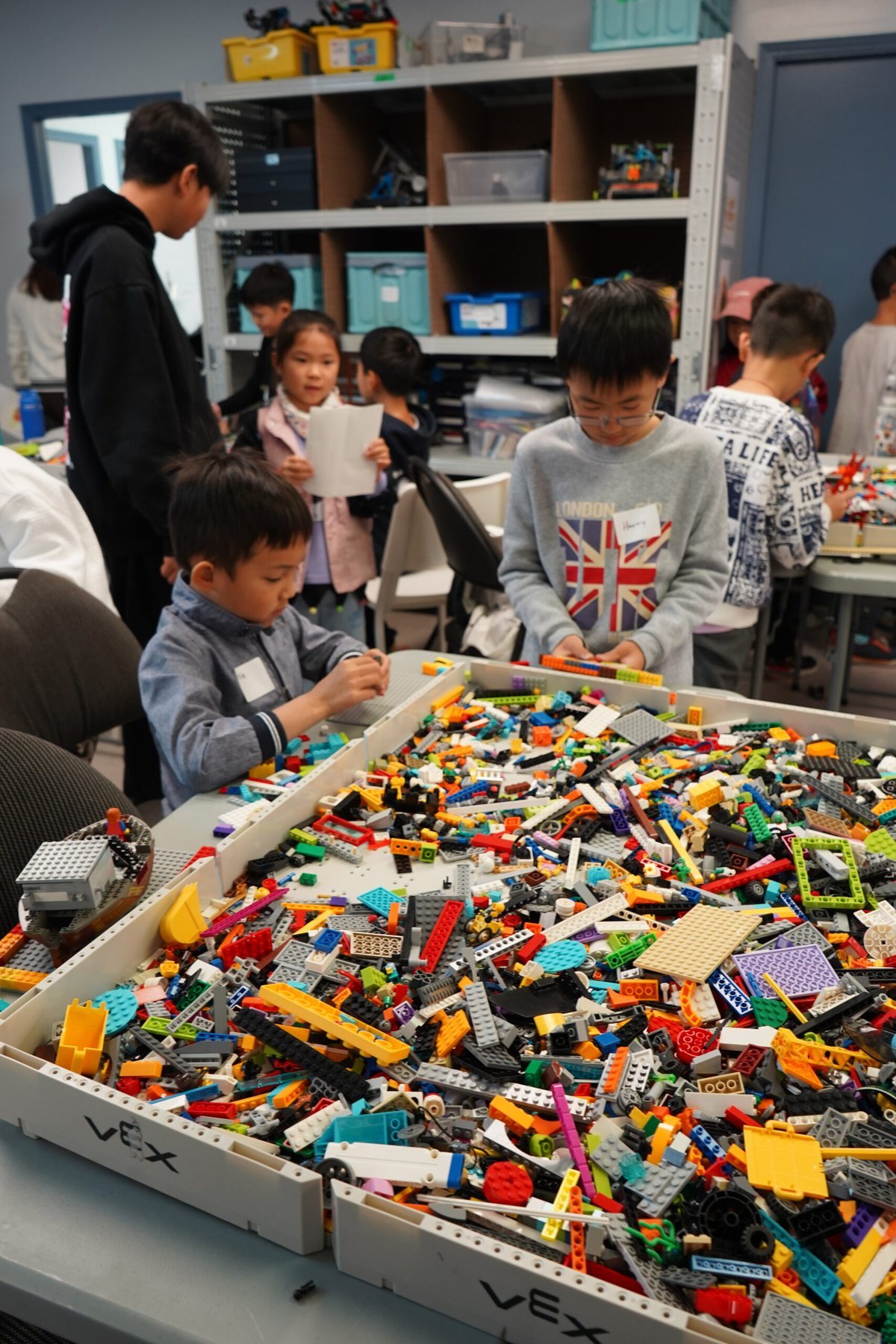
Families and younger students visit the workshop, meet the team, watch the robot run, and try an engineering activity.
Younger students build, test, and improve a solution with simple materials, coached by our team.
A partnership with a younger robotics group, focused on a shared learning goal.
Schools, libraries, and community centres are welcome to ask for a robot demonstration or a joint activity. Tell us who the audience is, the setting, and what you hope people take away.
We tell the FIRST story wherever we go, from the library to the City of Vancouver, and we credit FIRST and our supporters for making it possible.
No robotics experience needed. Explore a role, meet the team, and tell us what interests you.
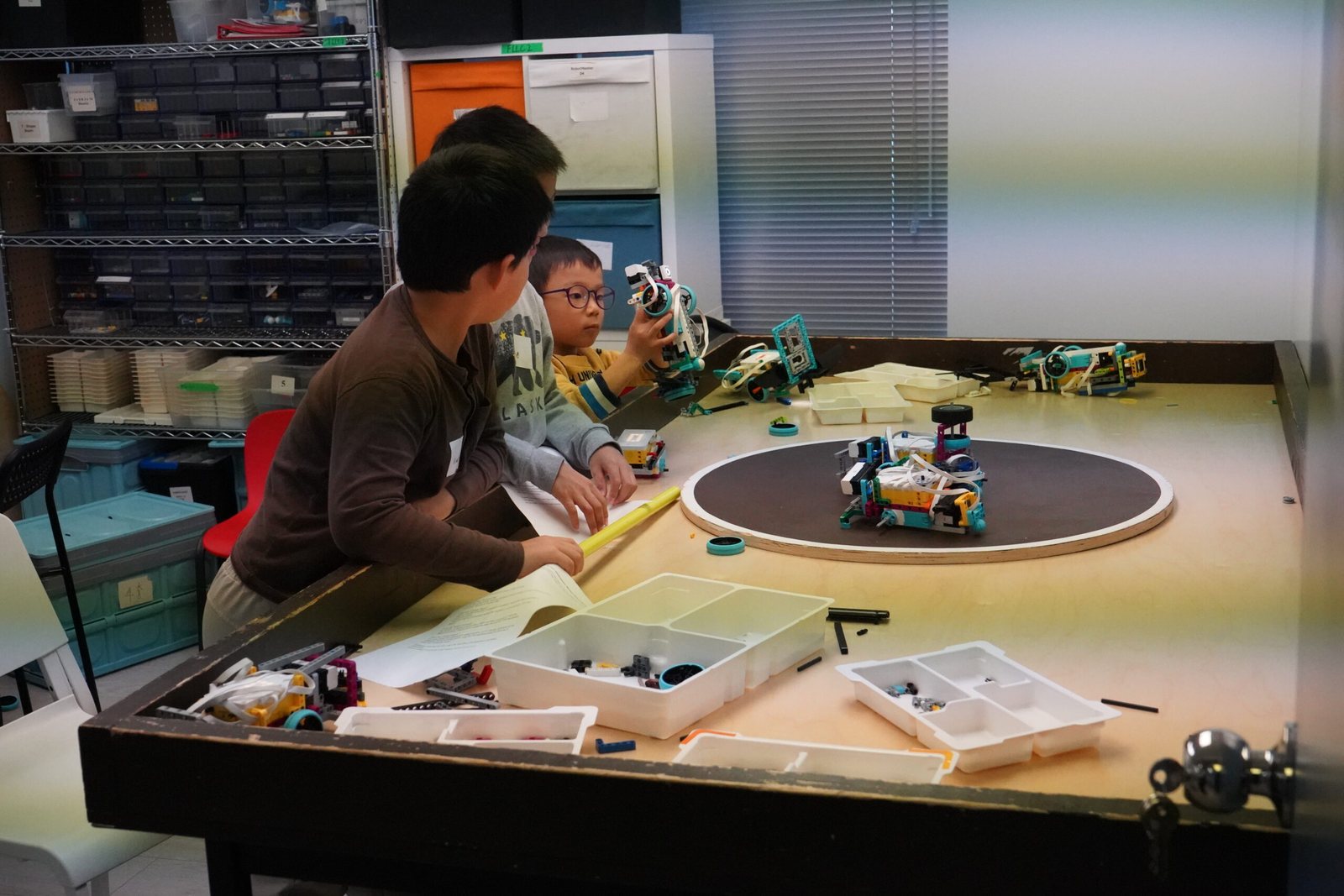
Design the robot in 3D, then make, assemble, and repair the real parts.
For students who like building thingsWire power, motors, and sensors, and track down faults.
For students who like careful, precise workWrite the code that drives the robot, including on its own.
For students who like coding, math, and logicStudy the game, collect match data, and plan how to win.
For students who like sports, games, and dataWork with sponsors, manage the budget, tell the team's story, and run community projects.
For students who like writing, design, and peopleKeep the workshop organized and safe, manage parts, and plan events.
For students who like organizingSet goals, run meetings, and keep every group moving together.
For students who like leading and listeningDrive the robot in matches and repair it between them. Chosen closer to competition.
For students who stay calm under pressureThat is normal. New members try several areas through introductory activities before choosing.
Just tick “Not sure” on the formFill in the student interest form.
Join an information session or arrange a workshop visit.
We talk about your interests, the team experience, and how you can contribute.
Complete registration and begin the foundations course.
No. Most new members start from zero. Fall training covers tools, design, coding, and safety from the beginning.
Yes. We are a community team and welcome students from across Greater Vancouver.
No. Students also contribute through writing, design, photo and video, strategy, organization, and community work.
Students are trained before using any tool, wear safety glasses in the build area, and always work with an adult mentor present.
Not always. Events have limited places, and field roles depend on preparation and skill. We explain how the choices are made before anyone is selected.
Yes. Driving, meals, event organization, professional advice, and introductions to possible partners all make a difference.
Yes. The number of students we can take depends on mentors and workspace. If the team is full, we keep a waiting list.
Help students build, learn, and take part in their community.
Students do the work. You help them do it better, or make sure they have what they need to do it.
Share what you know. Engineers, programmers, makers, and business professionals help students learn by working beside them.
Mentor the team → Give funding or materialsHelp cover registration, robot parts, travel, and community programs. Companies, foundations, and families are all welcome.
Sponsor the team →Every contribution goes toward students building, learning, and giving back.
These organizations backed a brand-new team and made our 2026 rookie season possible.
Every contribution goes to students: competition registration, robot parts, safety equipment, travel, and community programs.
We are a community team, not a school team. That means students depend on local partners to take part, and every contribution reaches students directly.
Your support covers registration, robot parts, safety equipment, travel, and community programs for students in Greater Vancouver.
Students practise engineering, programming, teamwork, and leadership on a real project. These are the skills the next generation of workplaces will need.
Students take what they learn back to the community, from our LEGO reuse project with Richmond Public Library to introducing younger children to robotics.
We competed in our first season in 2026 and return in 2027. Early supporters help a new team build something lasting.
FIRST is a global program that prepares young people for the world of tomorrow. Sponsors join that mission alongside well-known foundations and companies.
Supporters get updates during the season and an end-of-season report on student work and how funds were used.
We confirm logo placement with each partner before anything is printed.
Machining time, materials, technical mentoring, workplace tours, equipment, meals during long build sessions, and introductions to others who may want to help.
Updates on student work during the season, and a season-end report on what students accomplished, the community activities we ran, and how your support was used.
Tell us a little about yourself. Our team will contact your parent or guardian with next steps.
A mentor teaches, asks good questions, and keeps students safe. The decisions and the robot stay with the students.
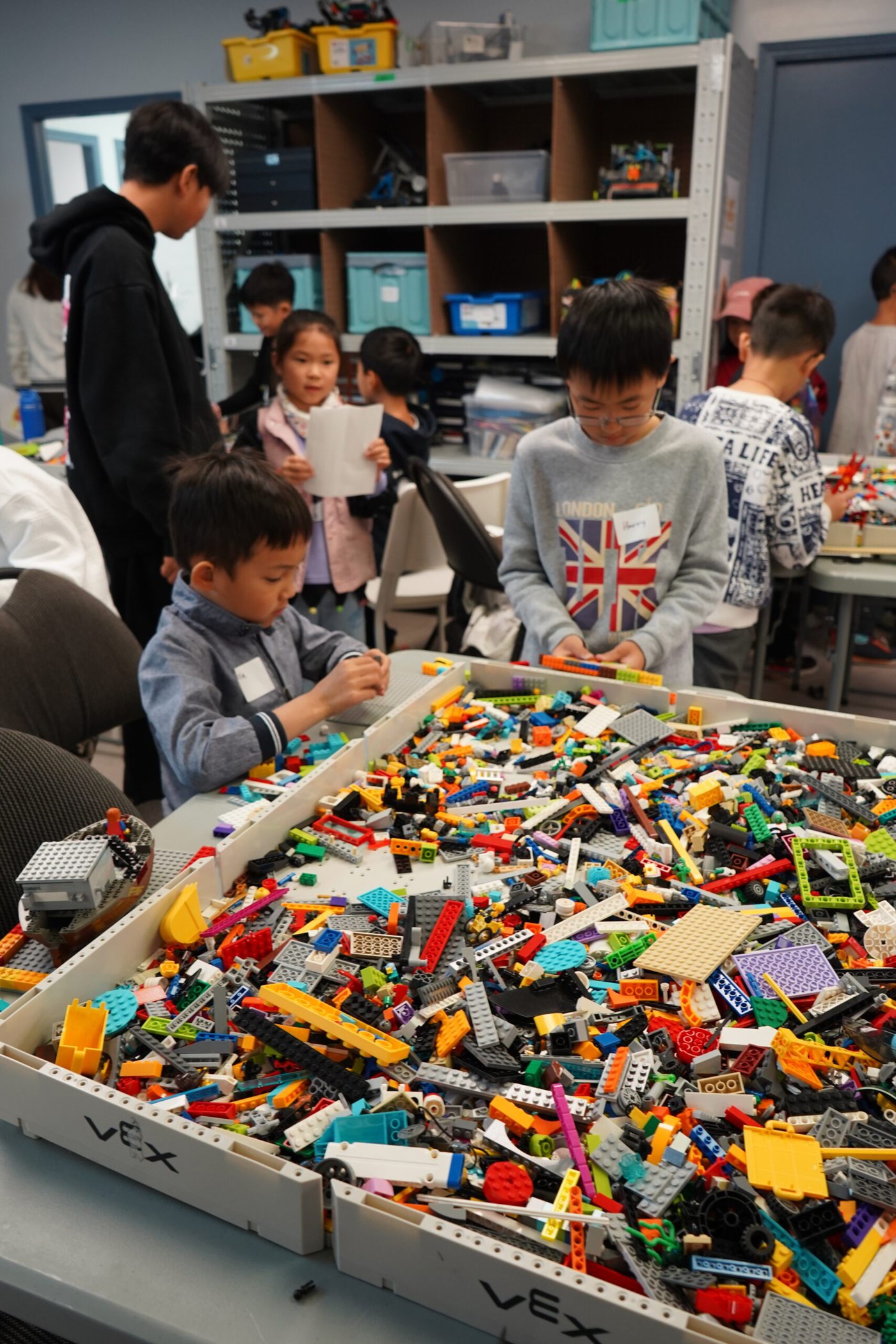
Mentors are the reason a young team can do real engineering safely. In return, you get to be part of something that changes how students see themselves.
Work beside students from different schools as they take on real responsibility, build confidence, and learn to lead.
Your trade, your craft, or your career experience becomes something a student can use. Even a little time makes a difference.
Students bring fresh questions and new tools, including AI and computer vision.
Our team grows from local roots. Mentors help students give back through projects like our LEGO reuse initiative.
Be part of a worldwide network of mentors, volunteers, and teams who share the spirit of Gracious Professionalism.
If you can teach, ask good questions, or keep students safe, you can help. We will show you how the team works.
You do not need FRC experience. University students, working professionals, retirees, and parents have all made good mentors.